
Timely detection of design defects is essential for safety, cost-effectiveness, and project schedules in construction. Though architects and engineers establish the groundwork of a building’s design, it is typically those overseeing the physical implementation who address practical design challenges. This is where a formwork supervisor course becomes highly valuable. In Singapore, where construction regulations are strict, these courses provide supervisors with the technical expertise and safety perspective to anticipate issues before they develop into structural crises.
Understanding the Practical Application of Design
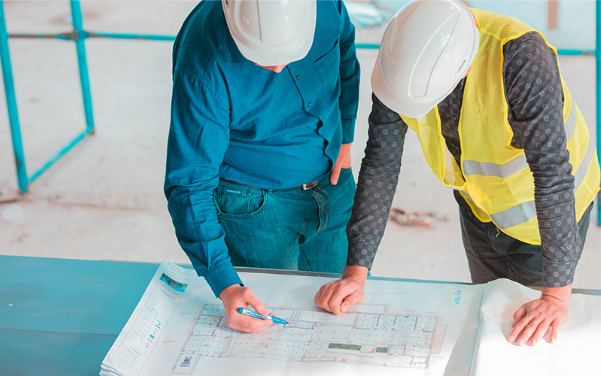
Designs often look perfect on paper, but implementing them on-site can expose practical issues. A formwork supervisor class teaches individuals how to read and interpret technical drawings accurately, bridging the gap between design and execution. Participants learn to evaluate load-bearing capacities, stress points, and concrete behaviours under different environmental conditions. Supervisors can identify when a theoretical design may not work as intended in reality by understanding these factors. This skill prevents costly rework and enhances the overall integrity of the project.
Reinforcing Critical Safety Perspectives
Safety is not just about wearing helmets and harnesses. It is about structural integrity from the ground up. Many participants who also complete a safety supervisor course gain a dual advantage — they not only understand how to assess risk from a human safety point of view but also from a structural perspective. Formwork supervisors trained in safety protocols are more vigilant when spotting potential weak points in design, such as improperly calculated load transfers or unsupported spans. These safety-trained supervisors become the first line of defence against structural failures that could lead to injuries or fatalities on-site.
Enhancing Communication Between Design and Construction Teams
Miscommunication between architects, engineers, and contractors is a major source of construction errors. Professionals who undergo a formwork supervisor class are trained to act as intermediaries, translating design intentions into workable on-site instructions. Formwork supervisors can flag discrepancies, clarify ambiguities, and suggest adjustments that maintain both the safety and integrity of the project by understanding both design principles and construction constraints. This understanding reduces the likelihood of design flaws being built into the structure unnoticed.
Identifying Material and Environmental Challenges
Designs do not always account for real-world material limitations or environmental conditions. For instance, concrete cures differently in varying humidity levels, and certain formwork designs may not be feasible with the material resources available. A comprehensive formwork supervisor class covers materials science basics and environmental impact assessments, allowing supervisors to foresee when material selections or site conditions could compromise design assumptions. Early identification of these issues ensures necessary adjustments are made before construction progresses too far, avoiding significant structural compromises.
Building a Proactive Approach to Quality Control
A safety supervisor course in Singapore and a formwork supervisor class also instil a strong culture of proactive quality control. Rather than waiting for inspections to reveal problems, trained supervisors learn to implement continuous checks throughout the building process. They are taught to look for tell-tale signs of formwork failure, improper reinforcement placements, and other early warnings of design flaws manifesting on-site. This proactive approach saves time, prevents project delays, and reduces the risk of catastrophic structural issues emerging post-construction.
Conclusion
Identifying design issues before they escalate into serious structural problems is essential in contemporary construction — not an option. Professionals who have completed training through a formwork supervisor course and a safety supervisor course are uniquely qualified to connect the essential gap between design intent and actual site conditions. Formwork supervisors are critical in protecting projects by accurately interpreting technical drawings, utilising safety knowledge, effectively communicating within teams, addressing real-world material and environmental challenges, and implementing proactive quality control. Investing in their training goes beyond fulfilling regulatory obligations; it represents a direct investment in the enduring safety and success of any construction project.
Visit Avanta Academy to build your expertise where it matters most — on the ground, where good designs either stand strong or fall apart.